Do We Owe More to Future Generations or to People Alive Today?
By: Fatimah-Zahra Jaffer, IST, Tanzania.
“Think of the future,” is a common phrase that a lot of people talk about. This is particularly true when we tend to talk about climate change or pollution, but what about people who are struggling today? Those who need help right now? This brings me to wonder and ask an uncomfortable question: do we owe more to future generations or to the people who are alive right now?
Our society has programmed us to believe that only one of these groups are important and that we must choose one over the other. Understanding that we must strike a balance between both, and we owe equal responsibility to today and what is to come next. We need to ask ourselves: are we more concerned about the future generation, or is today not enough? Our actions, like how we treat the environment, climate change, pollution, democracy or how we use resources, depend on whether we decide to make our world better or worse. For instance, if we are not able to protect ourselves, then the future generation will struggle to do so too.
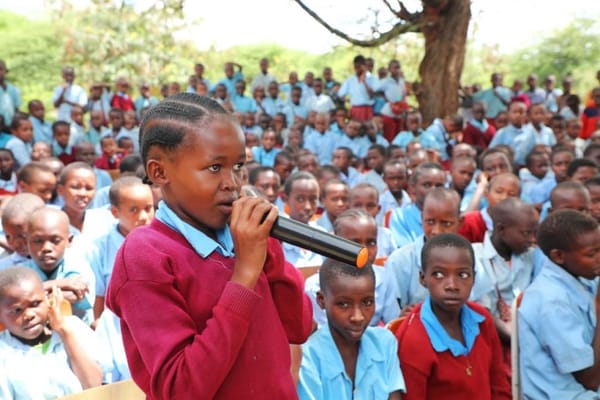
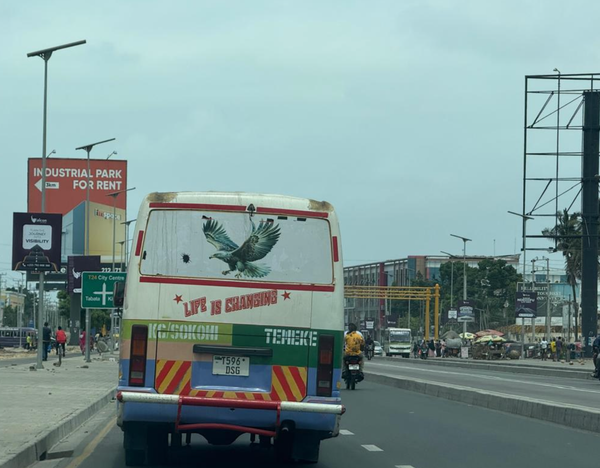
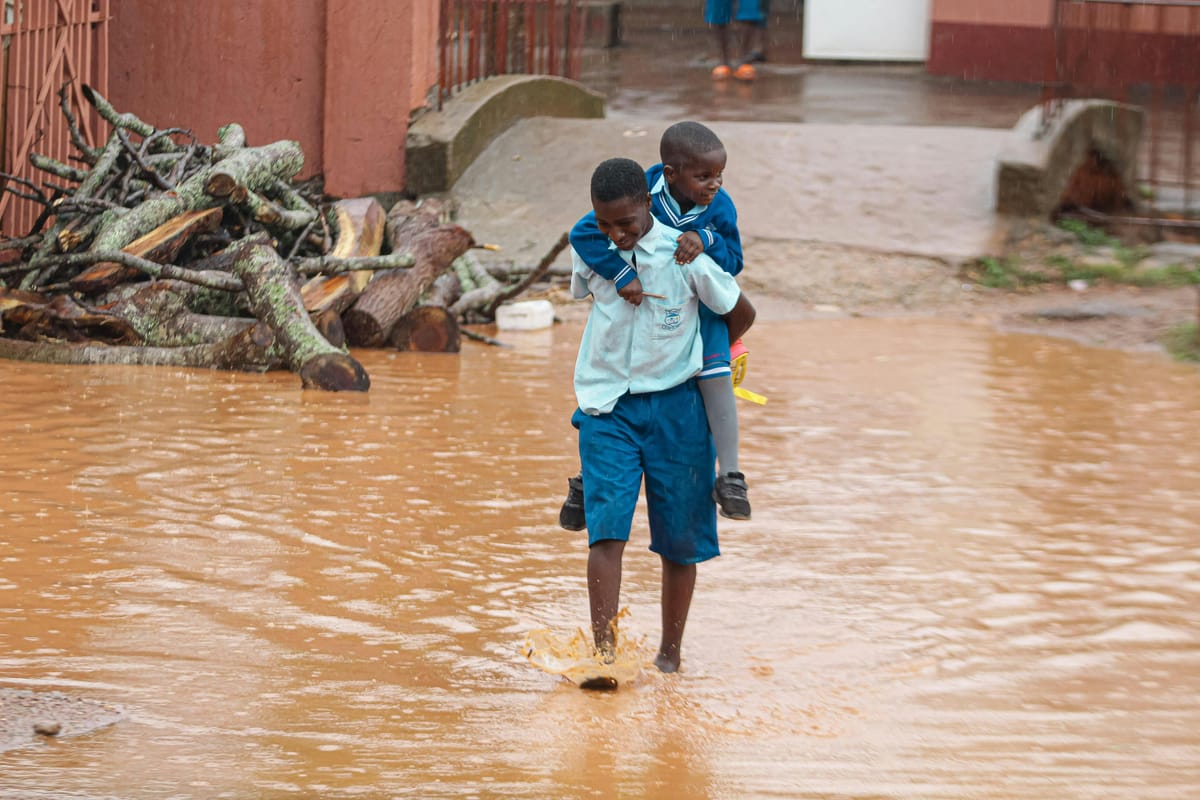
Presently, there are many examples of issues that demand our attention. Climate change and environmental impact are damaging lives today and tomorrow. UNICEF reports that “devastating floods, cyclones and more environmental disasters which are linked to climate change are destroying lives and futures of more than 19 million children in Bangladesh.” These children may lose access to safe housing, clean water, healthcare, and education. Nevertheless, recently in 2024, UNICEF has also found that at least 242 million students around the world have experienced management of schools due to climate change extremes such as heatwaves, storms, floods, and droughts (UNICEF). Including Bangladesh itself, about 35 million children have had schooling damaged by heatwaves, cyclones and floods also in 2024 (UNICEF). Hold on, there are not only climatic extreme disasters of environmental disruption in different parts of the world, but there are also problems people today struggle with here in Tanzania. Researchers show that Tanzanians have been struggling with the lack of food, which has been significantly disrupted by climate shocks, droughts, and harsh floods. According to the 2024 IPC report. Approximately 900,000 people have experienced floods that destroyed buildings and houses (Action against Hunger). Recognising and creating awareness of the needs of today for shaping a better tomorrow.
It is difficult to say that we owe more to the future generation and ignore the present misdoings of the people alive.
However, this logic does not mean that future generations don't matter. In fact, our own decisions that we choose today shape our future and the lives of the people that come after us. Additionally, future generations will inherit the environment we leave behind, the resources that we use in our daily lives that protect us, and also the new approaches or systems that we build or break. This makes it our responsibility to reflect and ponder on our actions and how they will impact those who will come after us.
Climate change, deforestation, ocean pollution, and the loss of biodiversity are all some long term problems that are not cared about or even just ignored. If we only continue to act for the short-term benefits, the people later on may face a world which will provide fewer resources and harsh climate conditions. Thinking about what will occur in the future is a practical thing to think about. Protecting the environment, using resources around us in an efficient way, and planning for long-term stability, which ensures that people after us, like our children, grandchildren, and beyond, can live safely.
Society itself can move forward through generations to come. Every generation has knowledge, culture, scientific progress and economic systems from those before them. Just as we benefited from the efforts of our ancestors from the past generations, we can also make an impact or have a duty to pass forward a safe world, but also be functional. Think about this: If previous generations had ignored their responsibilities in changing the world or how to make it more better, for example, we wouldn't have enjoyed the technology that we have today, that how it a necessity that we use on a daily basis throughout our day, including education and the medical advancements that we have today. Hence, contributing to the future is a way of appreciating the progression that has allowed us and to be able to access many different new technologies that surround us in order for us to live the lives we live right now.
In conclusion, whether we owe more to the future generations or to the people alive today does have a simple answer. We can see that both groups matter, as they both deserve our full attention. We have people around the globe facing real problems that require our attention; these problems need solutions now! Also, we can't just ignore the future we have ahead of us, because our actions, choices, and decisions will shape the world and its coming generations that will inherit it. We must aim to build a world that is happy, healthy and sustainable for today and for future generations.
Works Cited
"Climate change threatens lives and futures of over 19 million children in Bangladesh." UNICEF, www.unicef.org/press-releases/climate-change-threatens-lives-and-futures-over-19-million-children-bangladesh?utm_source. Accessed 11 Dec. 2025.
"Learning interrupted." unicef, www.unicef.org/reports/learning-interrupted-global-snapshot-2024?utm_source. Accessed 11 Dec. 2025.
"Tanzania." Action Against Hunger, www.actionagainsthunger.org/location/africa/tanzania/?utm_source. Accessed 11 Dec. 2025.
"35 million children in Bangladesh had schooling disrupted by Climate Crises in 2024—UNICEF." UNICEF, www.unicef.org/bangladesh/en/press-releases/33-million-children-bangladesh-had-schooling-disrupted-climate-crises-2024unicef?utm_source. Accessed 11 Dec. 2025.
"Why is renewable energy important?" REN21, www.ren21.net/why-is-renewable-energy-important/#:~:text=Employment%20in%20the%20renewable%20energy,energy%20is%20produced%20and%20consumed. Accessed 12 Dec. 2025.