Is Capitalism Compatible With Equality?

By: Sarah Hirji, IST, Tanzania
The question itself is very paradoxical. If you are unfamiliar with the word “capitalism”, by definition, it is an economic system based on private ownership of production. Essentially, the government doesn’t interfere in businesses; it’s all laissez-faire and competition with unequal outcomes. However, it is frequently discussed alongside a concept that seems to contradict it: equality.
To truly answer the question, we will have to lay the framework as to what “equality” means. Equality ensures that everyone gets the same rights, status, and opportunities, no matter their background. Usually, when people mention these characteristics in economic discussions, they are mostly referring to communism, an economic system that seeks to eliminate class distinctions. Yet here lies the contradiction: equality is something that has rested in the pinnacle of all political decisions; it is an uplifted moral concept that systems work to pursue. Communism, however, the economic system that is the closest to actually achieving it, is widely considered flawed and immoral. So can capitalistic economies sustain a form of equality, or does the nature of the system prevent it?
In theory, capitalism works as a meritocracy; the competitive nature of the system permits competition with a reward system, pushing individual businesses to constantly come up with new, innovative, and effective ideas. It permits entrepreneurship and gives businesses a platform to take risks and accelerate the overall economy exponentially. This could, if implemented correctly, produce a highly advanced and innovative economy that could supersede its competitors due to its liberal nature. The upward mobility of a capitalist system could technically create “equality” as it reduces inequality over time. If the economy is more well off, then the baseline standards for housing, education, and healthcare rise, reducing the risk of extreme inequality, especially since individuals can move between classes swiftly.
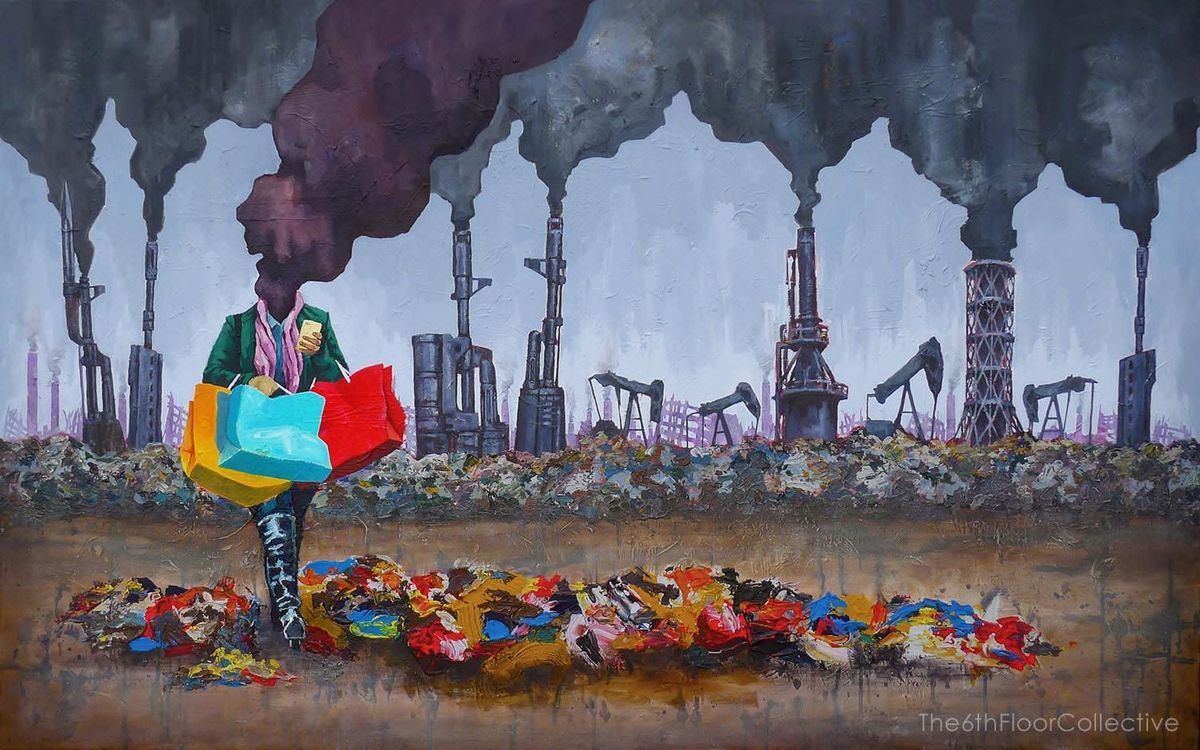
However, capitalism can look different in separate contexts, and the starting characteristics of capitalism sit on the base of inequality. The reduction of inequality in capitalism leans more towards theory than reality. Individuals do not begin on an equal footing; social status, wealth, geography, and education all shape a person before their individual choices come into play. Those born into a wealthier background are more likely to receive better education and opportunities, setting them far ahead in the game than others. Rather than leveling the playing field, capitalism can result in the “poverty cycle” and the reproduction of inequality and poverty throughout generations. In this sense, inequality is not simply the result of individual choices, but a structural feature of the system itself. Equality here becomes an empty promise.
Ultimately, capitalism provides the platform for excelling upward and growing the economy; however, it does not guarantee equality. While the system may reward effort and innovation in theory, reality does not always look that way, especially since opportunities are unevenly distributed from the start of one’s life, limiting their opportunities and potential to succeed in the future. This does not, however, signify that capitalism is not compatible with equality, but the form in which equality is offered within the system is limited and quite largely theoretical. For equality to thrive in its purest form, open markets will not suffice; equality depends on how far societies are willing to address the inequalities those markets produce. The question is not solely if capitalism is compatible with equality, but if the inequality created by it is justified.