The Megalodon: Are they Alive to this day?

By: Dayyanah-Fatima Khimji, IST, Tanzania.
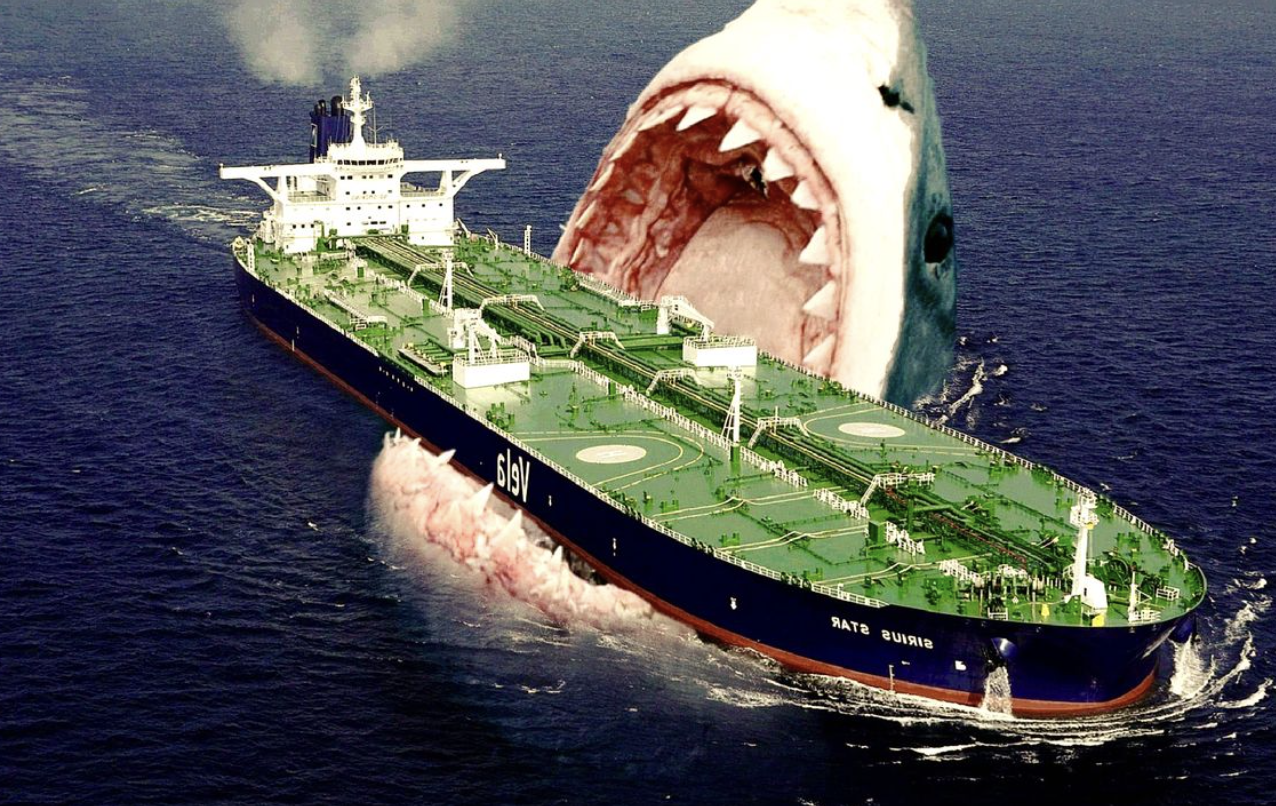
Millions of years ago, long before humans roamed the earth, the oceans were home to predators so massive and powerful that it still amazes scientists today. One of these creatures is known as the Otodus Megalodon, better known as the Megalodon shark. Considered the largest shark and one of the largest species ever to live, the megalodon was the king of the seas. (Live Science)
Scientists have never found a complete megalodon skeleton because shark bones are made of cartilage (which does not fossilize well). Scientists use the teeth of the megalodon to study it, which are some of the largest fossils ever discovered. (National History Museum) The megalodon lived from about 23 million years ago to about 3.6 million years ago. When the oceans were warmer and filled with marine animals. (Live Science)
Did you know that megalodon teeth can grow over 17 centimeters? That's about 7 inches! Using these teeth and comparing them to sharks that are alive today. Scientists estimate the megalodon could grow up to 24 meters. (FossilGuy.com) To give you an idea of the size of the megalodon, the modern great white usually grows up to about 6 meters. (Live Science) The megalodon was not just longer. It was heavier, stronger, and far more powerful.
One of the most terrifying facts about the megalodon is its bite. Research shows that it had the strongest bite force of any known animal. (including the dinosaurs!) The megalodon's bite was strong enough to crush any bone. (Science Focus Magazine)
The megladon was the beast of the ocean. Top of the food chain. So why did it die out? Well, most scientists believe it went extinct due to changes in Earth's climate. When the ocean's water level dropped, and sea temperatures rose, many of the large animals that were a part of the megalodon's diet went extinct. (EBSCO) 3.6 million years ago is when the great megalodon was last known to be alive.
But not everyone believes the story ends there;
One of the most interesting theories concerning the ocean is that the megalodon may still be alive today. Hidden, in the deep depths of the ocean. The ocean is still full of mystery (s 80% of it remains unexplored)(Oceana). A separate world from the one here on land.
People who believe this theory predict the megadon has moved to the deepest parts of the ocean, where humans have never traveled. The deep sea contains so much pressure due to the water above it that getting anything down there without it imploding is extremely difficult. Some theories state that some parts of the ocean may have false floors, and beneath them may be pockets of entirely preserved, hidden ecosystems, where unusual, large animals cannot be detected.
People also doubt the extinction of the megalodon because some large teeth have been found and appear to be less fossilized than expected. Scientists justify these findings by saying the fossils appear newer because they may have been preserved better than others. But many people see it as a sign that the megalodon has not gone extinct.
We often hear tales told by fishermen. Tales of great beasts lurking below the surface of the water, adding to the intriguing mystery of the megalodon.
Bibliography
Bradford, Alina. "Megalodon: Facts about the Long-gone, Giant Shark." Live Science, www.livescience.com/63361-megalodon-facts.html?
Davis, Josh. "Megalodon: The Truth about the Largest Shark That Ever Lived." National Hitory Museum, www.nhm.ac.uk/discover/megalodon--the-truth-about-the-largest-shark-that-ever-lived.html.
Kowinsky, Jayson. "Otodus Megalodon." Fossilguy.com, www.fossilguy.com/gallery/vert/fish-shark/carcharocles/carcharocles.htm.
Ling, Thomas. "Megalodon: Amazing Facts about the Extinct Apex Shark." BBC Science Focus, 7 Mar. 2021, www.sciencefocus.com/nature/megalodon-shark.
"Megalodon." EBSCO, edited by Richard Sheposh, 2023, www.ebsco.com/research-starters/biology/megalodon.
Nuñez, Emily. "Why Does so Much of the Ocean Remain Unexplored and Unprotected?" OCEANA, 8 June 2020, oceana.org/blog/why-does-so-much-ocean-remain-unexplored-and-unprotected/.
Osterloff, Emily. "Is the Megalodon Still Alive?" National History Museum, www.nhm.ac.uk/discover/is-megalodon-still-alive.html.